Hi everyone,
I just wanted to share a personal experience that happened to me recently, hoping it may help someone avoid the same mistake.
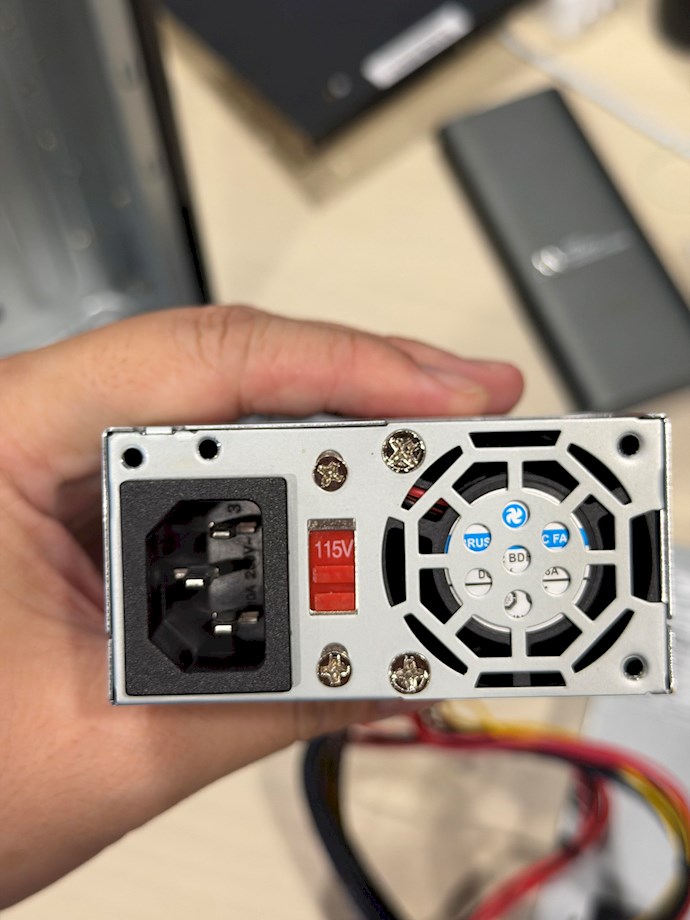
I recently bought a 320W replacement power supply for my Promise Pegasus3 from KDMpower on eBay. I was honestly very excited because my Pegasus unit had been powered off for a while (due to power supply failure), and I was looking forward to finally bringing it back to life.
Unfortunately, the worst possible thing happened.
I did not realize that this replacement power supply has a small but very important switch on the back to select the input voltage: 110V or 230V. I assumed it would work like the original Promise power supply, which does not have this kind of switch. Because of that, I plugged it directly into my 220V power source without noticing that the replacement unit was set to 110V by default.
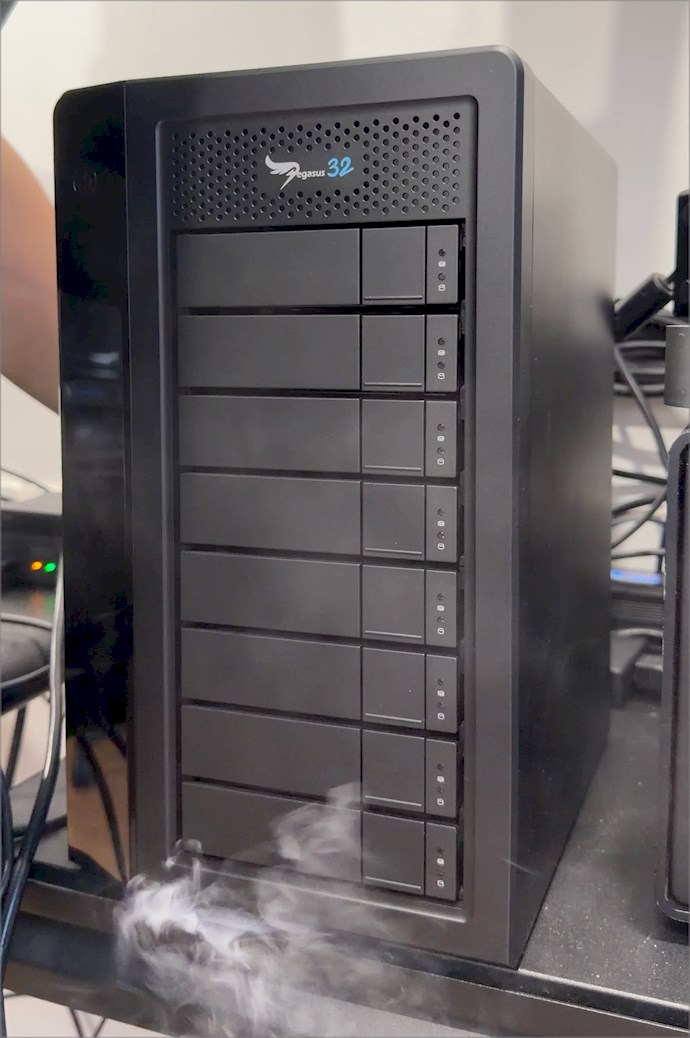
As soon as I powered it on, I heard a loud “pop pop” sound, followed by smoke coming from the drive system.
It was honestly terrifying.
At this point, I still do not know exactly what was damaged. I am hoping that only the power supply was burned, but I am also worried that something else inside the Pegasus unit — or even the drives — may have been affected. For anyone who stores important data on a RAID system, you probably understand how scary that moment feels.
I want to be very clear: I am not writing this to blame the seller or the manufacturer. This was partly my mistake because I did not check carefully enough before plugging it in.
But at the same time, I think this is something that should be made much more obvious to buyers. Not everyone is an electrician or a technical expert. Some of us are just regular users trying to replace a failed power supply and get our system running again. I honestly did not even know this kind of voltage switch existed until the problem happened.
So my advice is simple:
Before using any replacement power supply, especially one bought from a third-party seller, please check whether it has a 110V / 230V input voltage selector. Do not assume it works the same way as the original part.
If you are in a 220V / 230V country and the power supply is set to 110V, plugging it in directly can cause serious damage instantly.
Now, I really need some advice from a technician or electrical expert here.
I honestly do not know what may have happened to my system. Is there a chance that the mainboard of the Pegasus enclosure was damaged? Could the hard drives themselves also be affected, or is it more likely that only the power supply failed?
What should I do next? Should I try buying another replacement power supply and test it again, or should I avoid powering the unit on completely until it has been inspected by someone qualified?
I am quite confused and worried at the moment, so I would really appreciate any guidance from anyone who has experience with this kind of issue.
Thank you so much for your help.